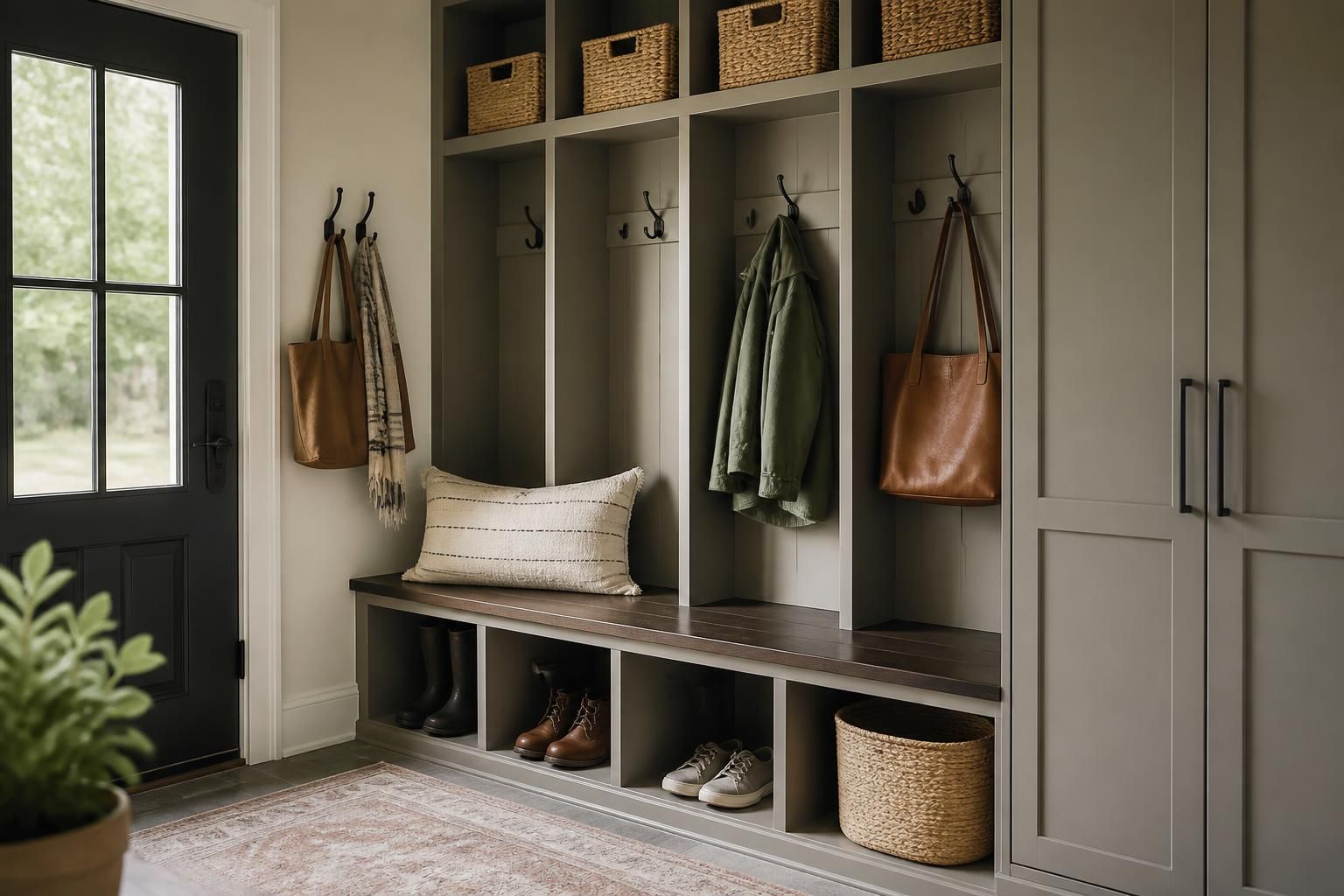
When coats pile on chairs, shoes spread across the floor, and backpacks never seem to land where they should, the mudroom stops feeling like a transition space and starts feeling like daily clutter. A well-planned cabinet layout changes that by giving every item a clear place, so the entry stays easier to use from the moment you walk through the door.
If your current setup feels cramped, awkward, or impossible to keep organized, Burlington Custom Cabinets can design mudroom cabinets that fit the room, the routine, and the way your household actually enters and leaves the house. For homes across Burlington, ON L7S, that usually means a mix of closed storage, open cubbies, durable surfaces, and thoughtful details that make the space work day after day.
Mudrooms take a lot of wear because they handle the items people use most often. Shoes get dropped, wet gear gets set down, bags are tossed aside, and doors are opened and closed all day. Custom cabinetry gives that space structure, so storage is not just available, it is easy to use without adding extra steps to your routine.
At Burlington Custom Cabinets, we plan mudroom cabinets around the specific way the room is used. Some homes need a narrow wall of tall lockers. Others need a bench with drawers beneath, upper cabinets for seasonal items, or a combination of closed storage and open hooks. The right layout depends on the room size, traffic flow, and what needs to be stored close to the door.
Good mudroom cabinetry is not only about storage volume. It is also about proportion, access, and materials that fit the room. A design that looks attractive on paper can still feel awkward if drawers are too deep, hooks sit at the wrong height, or the bench leaves no room to move past someone putting on boots.
That is why design consultation matters. We look at ceiling height, wall length, door swing, flooring transitions, and how people move through the room. From there, we recommend a layout that balances open and closed storage while keeping the room comfortable to use. In Burlington, ON L7S homes, that often means making the most of compact footprints without making the space feel busy.
Mudroom cabinets need to look refined while standing up to regular use. The material selection depends on the style of the home, how much traffic the room gets, and the finish you want to see every time you walk past. We guide homeowners through practical options so the finished cabinetry feels consistent with the rest of the home rather than an afterthought.
For many projects, a durable painted finish or a warm wood tone works well. The choice often comes down to how much contrast you want, how much natural light the room receives, and whether the mudroom should blend with nearby spaces or act as a distinct transition area. Hardware also matters because handles and pulls are touched constantly and should feel comfortable, stable, and easy to clean.
We also pay attention to surfaces that are easy to live with. A mudroom tends to collect fingerprints, dust, and scuffs faster than a formal room, so the material and finish should support regular cleaning without requiring a delicate routine.
Homeowners often want to know what happens from the first conversation to installation. A clear process keeps the project moving and reduces the chance of surprises later. For mudroom cabinets, we keep the steps simple and practical so you know what is being decided and when.
That process is especially helpful for homeowners planning a renovation, custom build, or upgrade to an outdated entry. It gives you a clear path from idea to installed cabinetry without forcing you to choose details before understanding how the room can work.
Custom mudroom cabinets are priced based on scope, layout, material choices, and the amount of storage being built. A compact bench and cabinet combination will be different from a full wall of lockers with drawers, upper cabinets, and specialty details. The more tailored the design, the more planning and build time it usually requires.
Other factors can include finish complexity, hardware selection, interior organization, and how much work is needed to fit the cabinetry into the existing room. If the mudroom is part of a larger renovation, coordination with other spaces may also affect the overall project plan. We review these variables early so homeowners can make informed decisions before moving ahead.
For many clients, the real question is not whether custom cabinets cost more than a stock solution, but whether the storage will actually suit the room. A mudroom that fits the household well tends to be used more consistently, which is what makes the investment worthwhile over time.
Stock or semi-custom storage can work when a room is standard-sized and the storage needs are simple. Mudrooms, however, often have uneven dimensions, unusual traffic patterns, or a long list of items to organize near the door. That is where custom cabinetry makes a noticeable difference.
In Burlington, nearby Aldershot, Millcroft, Roseland, Headon Forest, Tyandaga, and Appleby, homeowners often want mudroom storage that supports an active household while still matching the style of the home. Custom work makes that easier because the room is designed around the real dimensions and the real routine.
Installation is where the design becomes part of the home, and careful fitting matters. Mudroom cabinetry needs to sit level, align with nearby surfaces, and make sense with doors, trim, and flooring transitions. Even a strong design can feel unfinished if the installation does not respect those details.
Burlington Custom Cabinets handles installation with the same focus we bring to design and build quality. We look at clearances for doors and movement through the room, confirm that drawers and doors open as intended, and make sure the finished cabinetry integrates cleanly with the space. The goal is a mudroom that feels built for the home rather than added onto it.
Mudroom cabinets are easier to maintain when the design already supports the way the space is used. Closed storage helps reduce visual clutter, while drawers and shelves keep smaller items from spreading across the room. Simple habits go a long way once the cabinetry is installed.
A thoughtful layout makes maintenance simple because there is a clear place for each category of item. That is one of the main reasons custom mudroom cabinetry tends to stay useful long after the project is complete.
There is no single minimum, because even a small wall or nook can be turned into useful storage. The layout depends on what needs to be stored and whether seating is part of the design.
Yes. A bench is one of the most useful features for a mudroom, especially when the space is used for shoes, boots, or bags that need to be set down quickly.
Yes. Locker-style storage is a practical way to create separate areas for family members, making it easier to keep coats, backpacks, and shoes organized.
Painted finishes, durable wood tones, and hardware that is comfortable to grip are all common choices. The right option depends on the rest of the home and how much visual contrast you want.
Timelines vary with the size of the design, the finish, and the installation scope. We discuss timing during planning so you know what to expect before work begins.
Yes. Many homeowners want the mudroom to coordinate with kitchen cabinets, built-ins, or other millwork so the home feels consistent from room to room.
If your entry needs better storage, a clearer layout, or a more finished look, custom mudroom cabinets can make a practical difference every day. Burlington Custom Cabinets works with homeowners across Burlington, ON L7S and surrounding Halton communities to create storage that fits the house and the people living there.
Visit us at 414 Locust Street, Burlington, ON L7S or call +16477005472 to start a design conversation. We can help you think through layout, materials, finishes, and installation details so your mudroom feels organized from the first day it is used.
Start Here
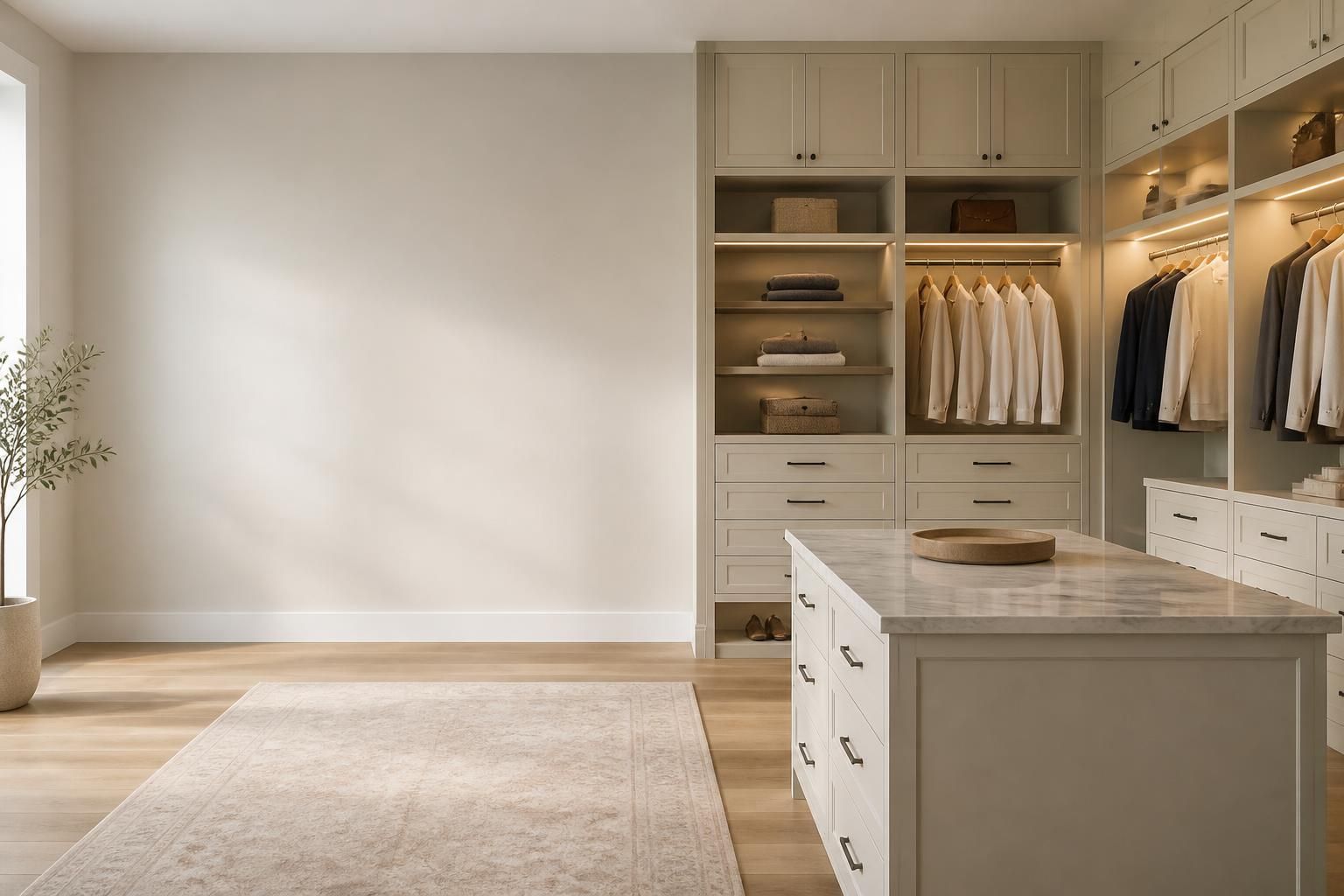
Tell us about your kitchen, closet, vanity, or built-in storage needs. We will help you understand the right layout, materials, finish options, and next steps for your space.